If you live in Florida, you know the drill. Every summer, we start watching the tropics like hawks. We’ve all seen what a major hurricane can do to a neighborhood, and for years, the state has been leading the charge in building codes to make sure our homes stay in one piece.
But as of 2026, the goalposts have moved again.
The Florida Building Code has officially updated its standards, and the big number everyone is talking about is 160 MPH. If you’re planning a roof replacement this year or next, the rules of the game have changed. It’s not just about picking a pretty shingle color anymore; it’s about engineering a system that can withstand the kind of force that used to be reserved for "worst-case scenarios."
At TCI Roofing and Solar, we’ve been tracking these changes closely. We want to make sure you aren't caught off guard by new permit requirements or, worse, an insurance company that refuses to cover a roof that doesn't meet the new 2026 benchmarks.
What is the 160 MPH Wind Standard?
In the world of roofing, wind speed standards aren't just arbitrary numbers. They are based on decades of weather data and structural engineering research. The 160 MPH standard specifically targets regions that fall into high-risk categories: areas where the transition from inland "safe zones" to high-velocity coastal zones occurs.
Florida's wind zones are generally mapped out by risk:
- Miami-Dade and Broward (HVHZ): These have always had the highest standards, often 175–186 mph.
- Coastal Regions: Now pushing toward that 160–180 mph range.
- Central Florida: Moving from 140 mph standards toward the 160 mph mark.
The 2026 update incorporates the latest ASCE 7 wind standards. This means that even if your home is a few miles inland, the state might now classify your property as a "160 MPH zone." If your roof was installed ten years ago, it was likely built to a 130 or 140 MPH standard. In the eyes of the 2026 code, that’s no longer enough.
Why the 2026 Code Update is a Big Deal
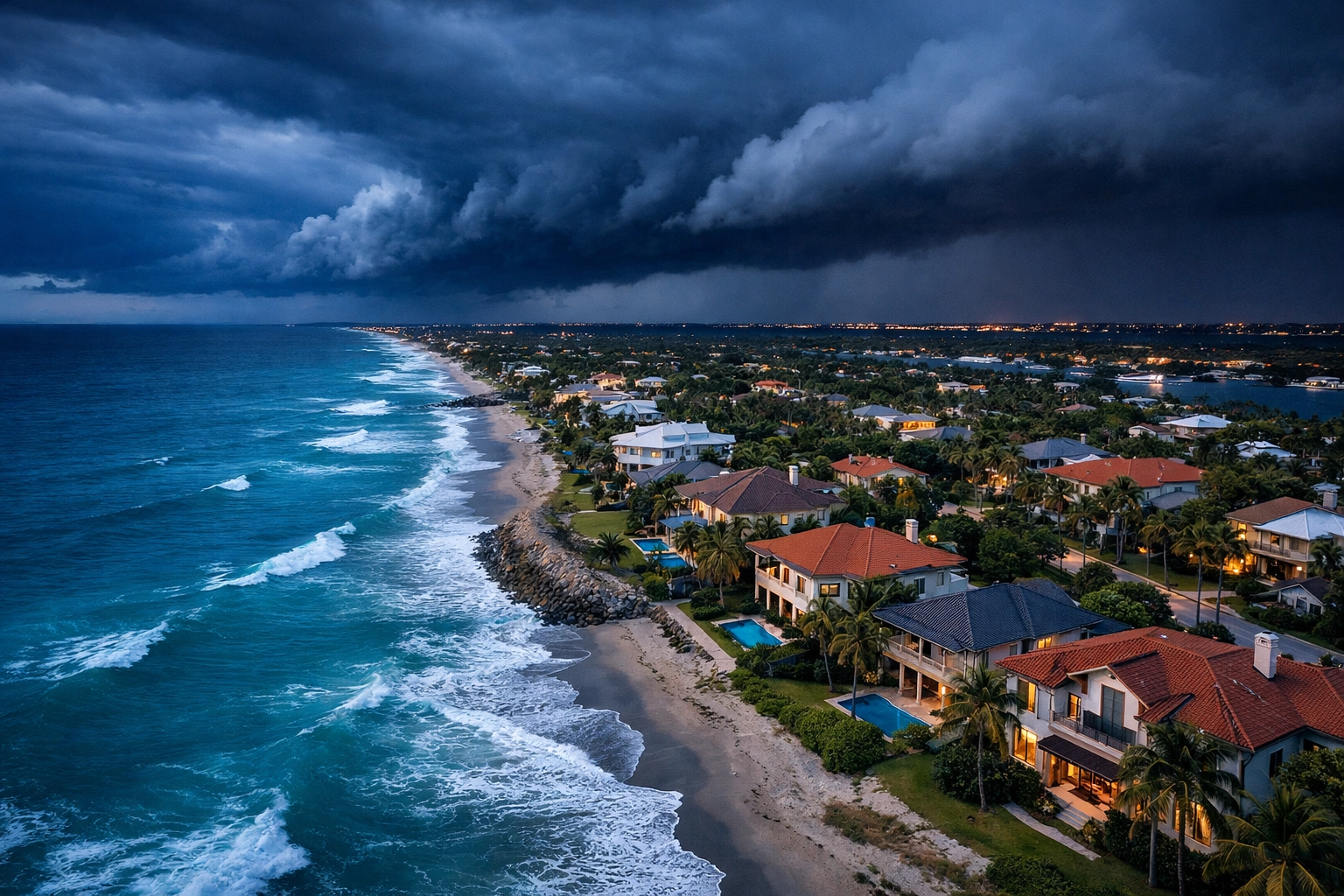
You might be wondering, "Why now?" The logic behind the 2026 Florida Building Code is simple: resilience. Following recent major storms, data showed that homes built to the updated, stricter wind standards suffered significantly less structural damage than those built just a decade prior.
The most important takeaway for you as a homeowner is that compliance is not optional. When you go to pull a permit for a shingle roofing system, the building department will check to see if the materials and the installation method meet the specific wind speed mapped for your exact address.
The 25% Rule is Still in Play
One thing that hasn't gone away is Florida's famous (or infamous) 25% rule. If more than 25% of your roof is damaged, the entire roof must be brought up to the current code. Because the 2026 code requires these higher wind ratings, a small repair could quickly turn into a full replacement requirement to meet the 160 MPH standard. You can read more about how these laws impact your home in our guide on Florida’s new roofing laws.
The Technical Side: What a 160 MPH Roof Looks Like
Meeting a 160 MPH wind standard isn't just about using "stronger" shingles. It is a comprehensive approach to how the roof is attached to your home. Here is what we are seeing as the new standard for 2026-compliant roofs:
1. Reinforced Attachment Systems
The shingles themselves are only as good as the nails holding them down. For 160 MPH compliance, the "nailing pattern" becomes much stricter. Instead of the standard four nails per shingle, many manufacturers and local codes now require a six-nail pattern with specific placement to prevent shingles from lifting during high-pressure gusts.
2. Enhanced Underlayment (Secondary Water Barrier)
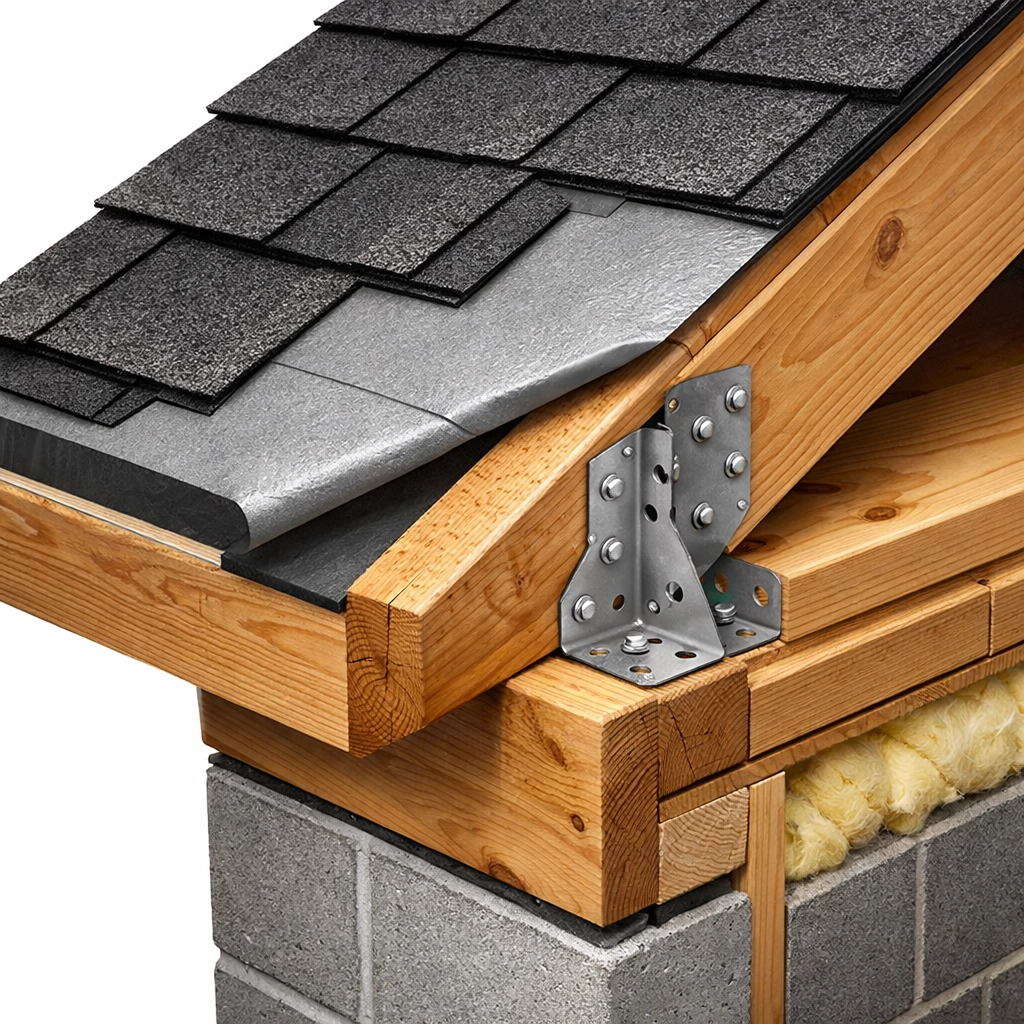
If the wind is hitting 160 MPH, there is a good chance some shingles might still blow off. The 2026 code places a massive emphasis on what’s under the shingles. Using a self-adhering polymer-modified bitumen (often called "peel and stick") provides a secondary water barrier. Even if your shingles fail, this layer keeps the water out of your house.
3. Structural Framing and Hurricane Ties
The roof isn't just a lid; it’s part of the house’s structure. To meet 160 MPH standards, the framing often requires 16-inch on-center spacing and the use of heavy-duty hurricane ties. These metal connectors ensure the roof deck stays attached to the walls of the home when the wind tries to create "uplift."
Choosing the Right Materials
While many homeowners love the look of traditional shingles, the 2026 code changes are making people take a second look at the materials they choose.
- Architectural Shingles: Not all shingles are created equal. To meet the 160 MPH standard, you need shingles specifically rated for high-wind resistance. We specialize in installing high-performance shingle roofing systems that are engineered to pass these rigorous tests.
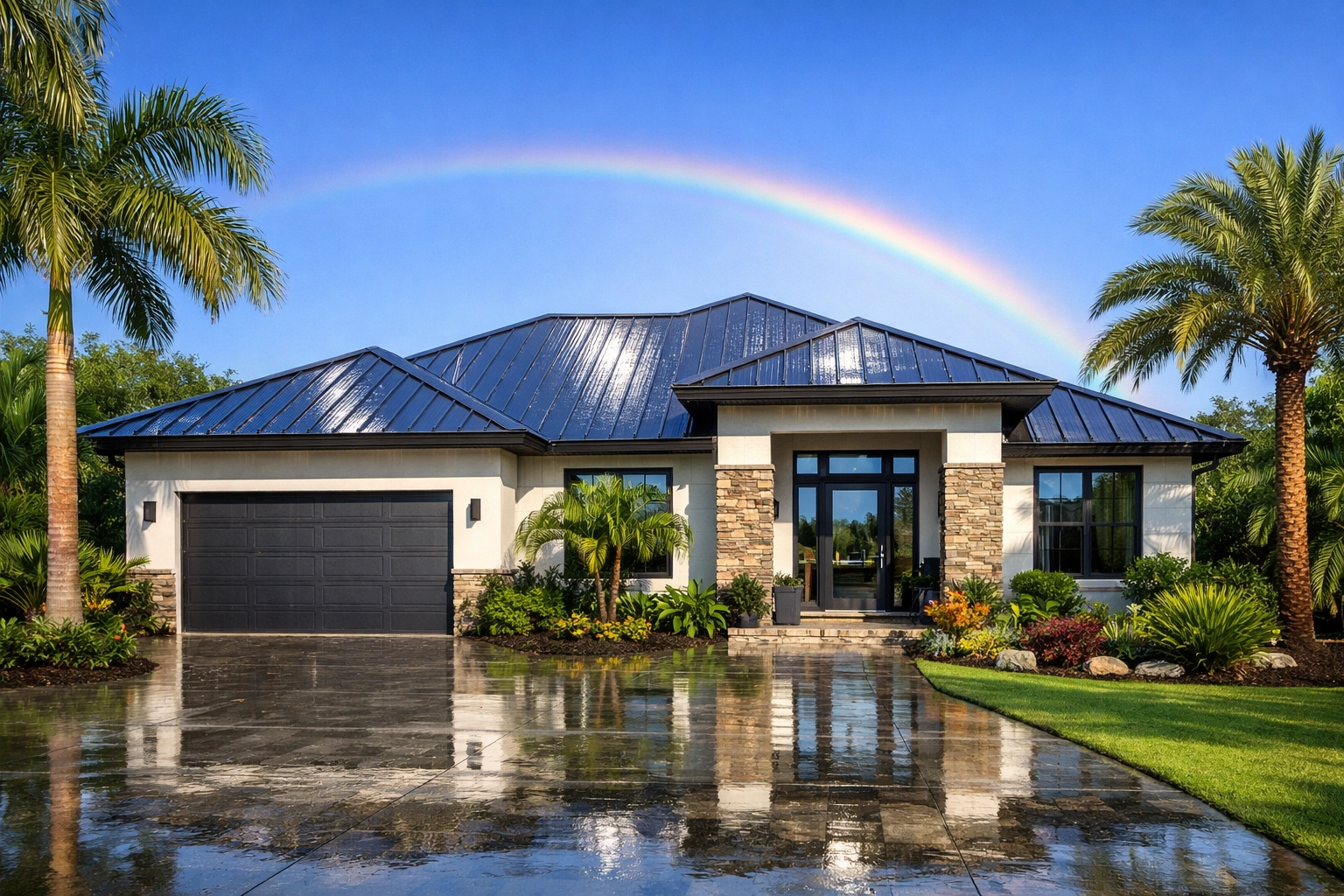
- Metal Roofing: Metal is naturally more aerodynamic and stays fastened more securely than individual shingles. In many high-wind zones, metal is becoming the "gold standard" for meeting 2026 requirements.
- Fasteners and Siding: It’s also worth noting that if you are doing a full exterior renovation, your siding and trim must also meet these wind standards. Materials like LP SmartSide are often rated up to 180 MPH, making them a great companion to a new, code-compliant roof.
The Insurance Factor: Lowering Your Premiums
Here is the silver lining: while building a roof to the 160 MPH standard might cost a bit more upfront, it can save you a fortune in the long run.
Florida’s insurance market is… let's call it "challenging." Many carriers are dropping homeowners or jacking up rates for roofs that are more than 10–15 years old. However, when you install a roof that meets the 2026 160 MPH standards, you become eligible for significant Wind Mitigation Credits.
A professional wind mitigation inspection will document that your roof has:
- The correct nail spacing.
- Hurricane straps/clips.
- A secondary water barrier.
- Wind-rated shingles.
These factors tell the insurance company that your home is a lower risk. In many cases, the reduction in your annual premium can pay back the extra cost of the code-compliant roof within just a few years. If you’re debating between a simple repair and a full upgrade, check out our breakdown of roof replacement vs. roof rejuvenation to see which makes more financial sense for your situation.
How TCI Roofing and Solar Navigates the 2026 Code
Navigating building codes can feel like trying to read a foreign language. That’s where we come in. At TCI Roofing and Solar, we don't just "slap on shingles." We treat every roof as a structural shield for your family.
When you work with us, we handle the technical heavy lifting:
- Site-Specific Wind Analysis: We determine exactly what wind zone your home sits in based on the 2026 maps.
- Permit Management: We ensure all documentation meets local building department standards so there are no delays in your project.
- Expert Installation: Our crews are trained specifically in high-wind installation techniques, from precise nailing patterns to the application of secondary water barriers.
Whether you're in New Port Richey or deeper into Pasco County, the 160 MPH standard is likely coming to a neighborhood near you.
Don't Wait for the Next Storm
The worst time to find out your roof isn't up to code is during a hurricane. The 2026 Florida Building Code changes are a wake-up call for homeowners to take their roof’s structural integrity seriously.
By upgrading to a 160 MPH rated system, you aren't just following the law: you’re protecting your biggest investment and potentially saving thousands on insurance.
If you’re worried about whether your current roof can handle the wind or if you’re ready to upgrade to a system that meets the latest standards, let’s talk. You can book a free evaluation calendar with our team, and we’ll walk you through exactly what your home needs to stay safe, compliant, and covered.
Stay safe out there, Florida! The winds are changing, but with the right roof, you’ll be ready for whatever comes your way.


