So you're thinking about going solar and you know your roof has seen better days. Maybe you're in Florida looking at those shingles that have been baking under the sun for 15 years, or you're in Illinois where ice dams and wind have taken their toll. Either way, you're facing a big decision: should you tackle both projects at once or handle them separately?
Here's the truth, doing both at the same time is usually the smartest financial move you can make. But only if you do it right. Make the wrong call, and you could end up paying for the same labor twice, voiding warranties, or worse, dealing with leaks because someone tried to cut corners.
Let's walk through the five key steps to make sure you don't waste money or create headaches down the road.
Step 1: Don't Put Solar on a Failing Roof (Seriously, Don't)
This is the biggest mistake we see homeowners make, and it's completely understandable why it happens. You're excited about solar. You want to start saving on your electric bill. Your neighbor just got panels and won't stop talking about it. So you call a solar company, they come out, and they're ready to install panels next week.
But here's what they might not tell you: if your roof is more than 10-15 years old, or if you're seeing any signs of wear, curling shingles, granule loss, dark spots, or small leaks, you're setting yourself up for a costly problem.
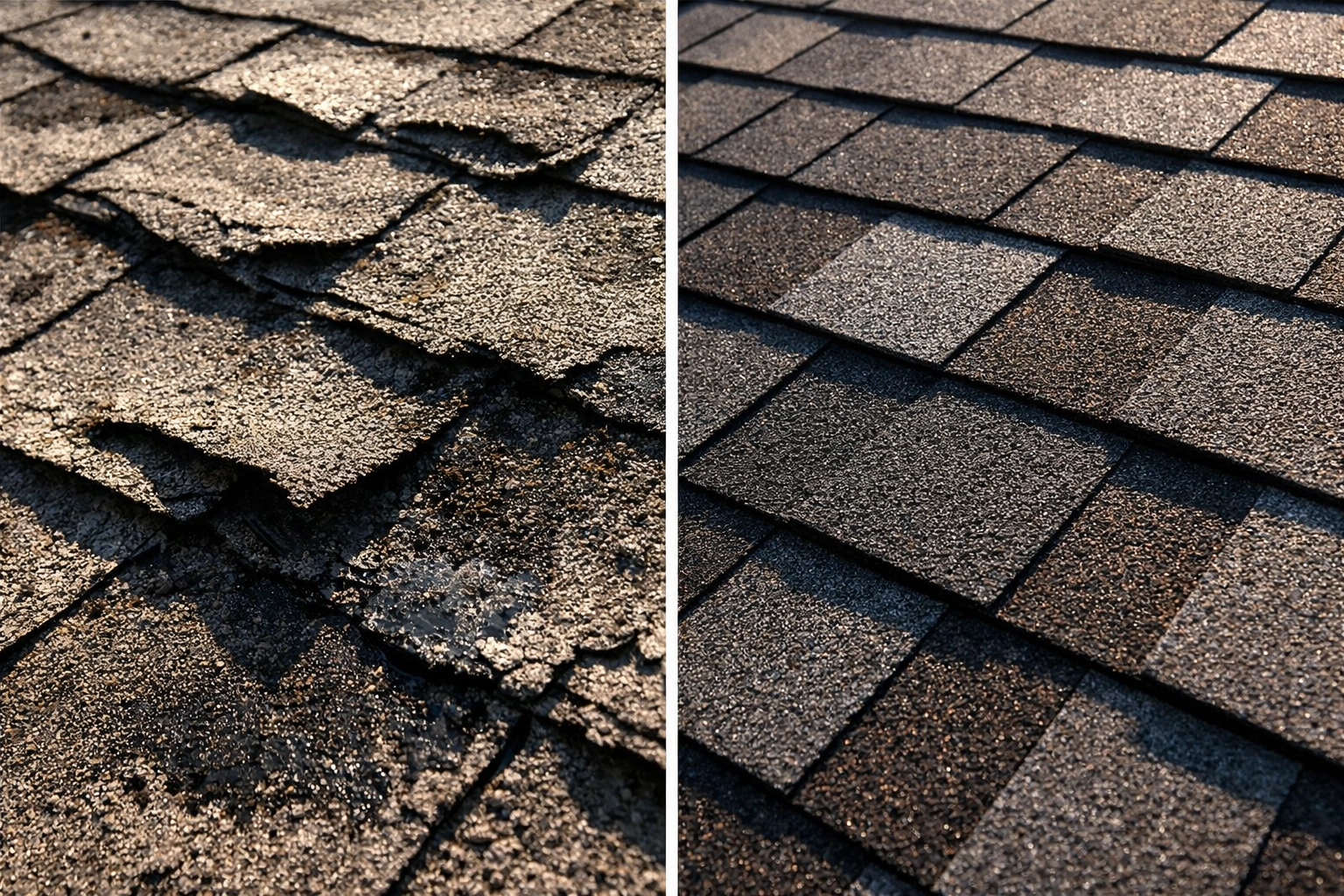
Why? Because solar panels last 25-30 years. If you install them on a roof that only has 5-7 years of life left, you'll need to remove all those panels when it's time to replace your roof. And that's not cheap. You're looking at $2,000-$5,000 just to remove and reinstall the panels, plus you risk damaging the panels or voiding warranties in the process.
In Florida, where UV exposure accelerates shingle aging, this is especially important. That roof might look "okay" from the ground, but if it's already past its prime, adding solar panels is just delaying the inevitable, and making it more expensive when the time comes.
Get a professional roof inspection before you commit to solar. A good contractor will tell you honestly whether your roof can handle another 25 years, or if it needs replacement first.
Step 2: Find a Contractor That Does Both (Like TCI)
Here's where things get tricky if you go with separate companies. You hire a roofing company to replace your roof. Then you hire a solar company to install panels. Sounds straightforward, right?
Wrong. Now you've got two different crews, two different schedules, two different warranties, and, here's the kicker, if anything goes wrong, both companies can point fingers at each other. "The roofers didn't prepare the surface correctly." "The solar installers created a leak with their mounting hardware." You're stuck in the middle trying to figure out who's responsible.
Working with a company that handles both roofing and solar, like TCI Roofing and Solar, solves all of this. One crew does both jobs back-to-back. One warranty covers the entire system. One point of contact if you have questions or issues down the road.
Plus, when the same team handles both, they know exactly how to integrate everything. They'll make sure mounting points are properly flashed, that roof penetrations are sealed correctly, and that your new roof is designed to support the solar load for decades.
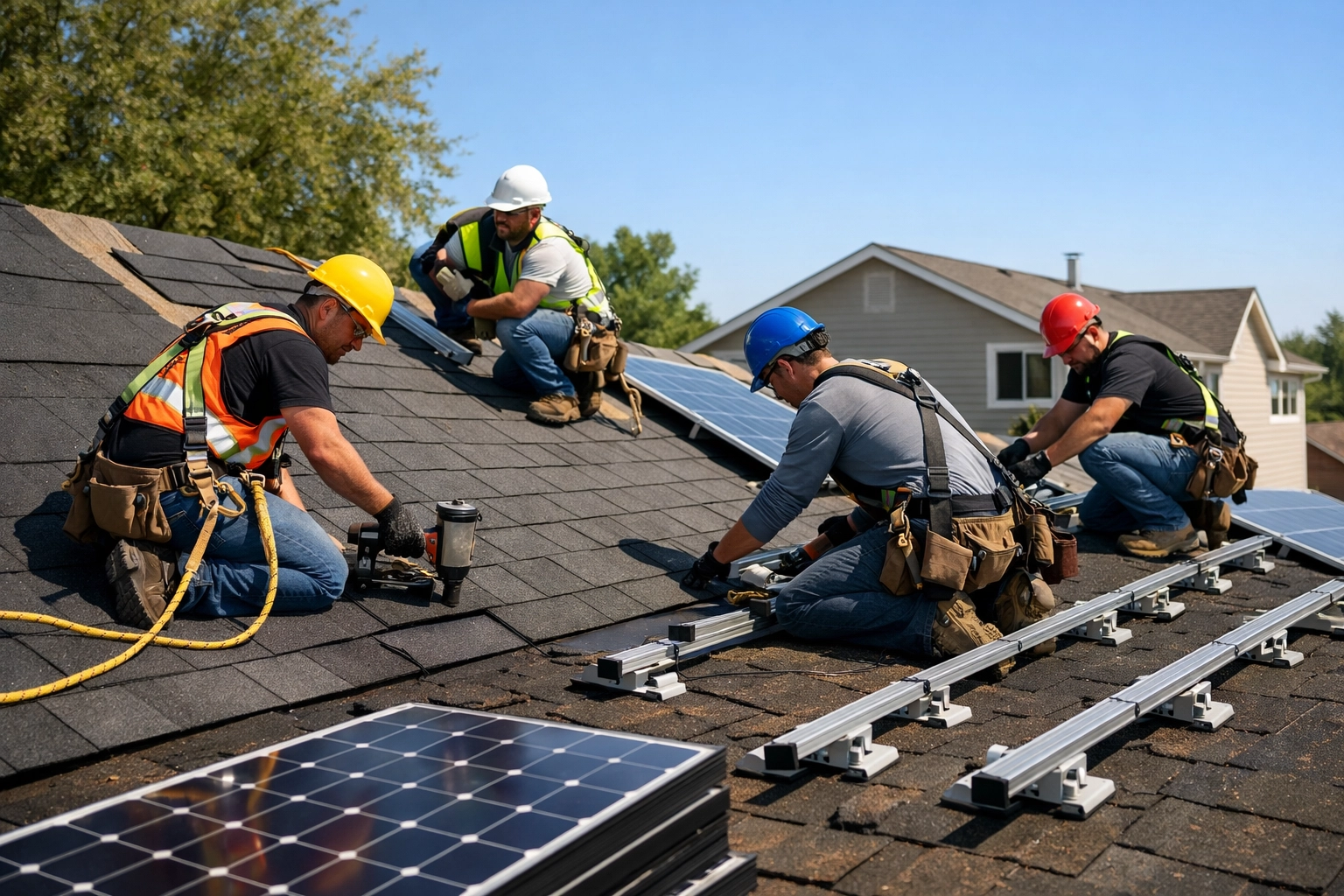
The efficiency savings alone are worth it. Instead of coordinating two separate projects with two different timelines, you get it all done in one shot, usually in just a few days for the roof, then panels go up right after.
Step 3: Coordinate the Timing (Roof First, Then Solar)
This seems obvious, but you'd be surprised how many people get this backwards or don't think through the sequencing.
Always install the new roof first, then add solar panels immediately after. Here's why this order matters:
Your new roof needs to cure and settle. Fresh roofing materials, especially in hot climates like Florida, need time to properly seal and bond. Installing solar panels too quickly can interfere with this process.
Solar mounting requires specific roof penetrations. Your solar installer needs to drill through the roof to secure mounting hardware to the rafters. If you do this on an old roof and then try to replace it, those penetration points become problem areas during the tear-off.
You want maximum roof life under those panels. Remember, the panels are staying up there for 25-30 years. Starting with a brand-new roof means you get the full lifespan of both systems without interruption.
In Florida, timing also matters for weather. You don't want to schedule roofing work in the middle of summer when afternoon thunderstorms roll in daily, or during hurricane season when projects can get delayed for weeks. Similarly, in Illinois, you want to avoid winter installations when snow and ice make roofing dangerous and inefficient.
A good contractor will help you plan the timeline so both projects happen during the optimal weather window, minimizing delays and ensuring quality work.
Step 4: Understand the Warranty Benefits
This is where doing both projects together really pays off, literally.
When you install a new roof and solar system separately with different contractors, you get separate warranties. Your roof might have a 25-year manufacturer warranty plus a 10-year workmanship warranty from the roofer. Your solar might have a 25-year panel warranty plus a separate inverter warranty plus a workmanship warranty from the solar installer.
Sounds great until something goes wrong. A leak develops near a solar mounting point. Who's responsible? The roofer says the solar company caused it. The solar company says the roof was poorly installed. You're stuck paying out of pocket to fix it and maybe hiring a third-party inspector to determine fault.
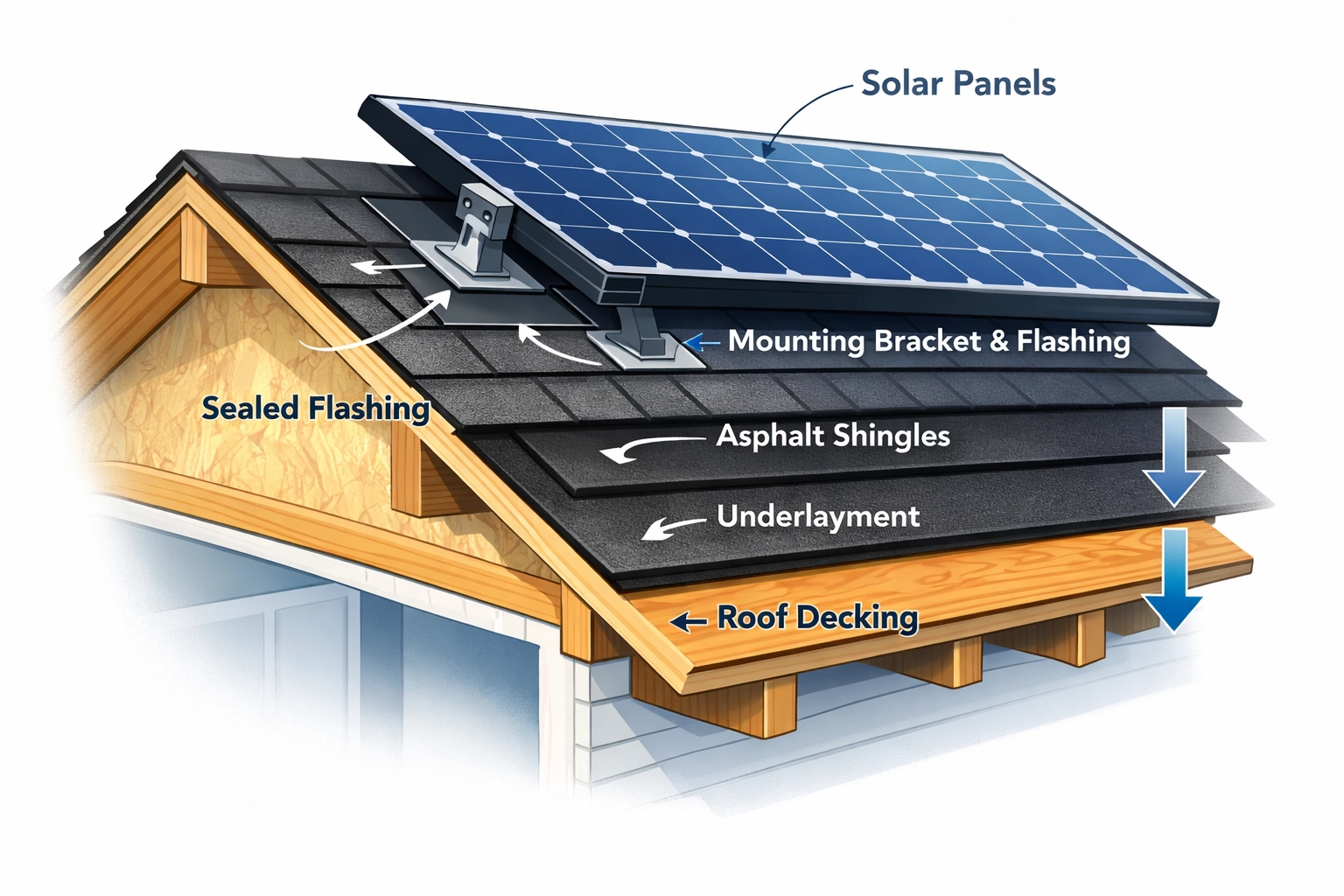
When one company handles both, you get a unified warranty. Everything from the roof decking to the solar panels is covered under one comprehensive warranty. If there's a leak, if a panel fails, if mounting hardware comes loose, one call, one company, one solution.
For homeowners in Florida dealing with hurricane damage or Illinois homeowners dealing with winter storms, this peace of mind is invaluable. You're not juggling multiple warranty claims or trying to figure out which contractor to call.
Make sure you get this in writing. Ask your contractor exactly what's covered, for how long, and what the process is if you need warranty work. A reputable company like TCI will be transparent about warranty terms and make sure you understand exactly what's protected.
Step 5: Look for Combined Financing Options
Let's talk money. A new roof costs $8,000-$15,000 on average, depending on size and materials. A residential solar system costs $15,000-$30,000 before incentives. That's a big chunk of change to spend at once.
But here's the good news: many contractors who do both services offer combined financing packages that make the whole project more affordable.
Instead of taking out two separate loans or putting everything on credit cards, you can finance the entire project as one package. This often means better interest rates, simplified monthly payments, and in some cases, promotional periods with zero interest.
Even better, the federal solar tax credit still applies to your solar installation (currently at 30% through 2032). In many cases, this credit can offset a significant portion of your total project cost. Some homeowners use the tax credit refund to pay down the financing, reducing their overall interest payments.
For Florida homeowners, there may be additional state or local incentives for solar. For Illinois homeowners, check into programs through ComEd or Ameren that provide rebates for solar installations. Your contractor should help you navigate all available incentives to maximize savings.
Don't forget to consider long-term savings in your calculation. Yes, you're spending money upfront, but a new energy-efficient roof combined with solar panels can slash your energy bills by 50-80%. In Florida's hot climate, a new roof with proper ventilation plus solar can dramatically reduce cooling costs. In Illinois, solar still generates substantial savings even during shorter winter days.
Run the numbers with your contractor. Calculate your payback period: typically 8-12 years for combined roof and solar projects: and understand what your monthly savings will look like. When you factor in lower energy bills, increased home value, and warranty protection, the investment usually makes strong financial sense.
Why This Matters for Florida and Illinois Homeowners
Whether you're dealing with Florida's intense sun and hurricane threats or Illinois's freeze-thaw cycles and severe storms, your roof is your home's first line of defense. Adding solar panels only makes sense if that defense is rock-solid.
In Florida, a new roof with proper ventilation and UV-resistant materials will last longer and perform better under solar panels. In Illinois, ensuring your roof can handle snow loads and ice dams before adding solar equipment is critical.
The key is treating this as one integrated project, not two separate jobs. When you do that: with the right contractor, proper timing, solid warranties, and smart financing: you end up with a home that's protected, energy-efficient, and saving you money for decades to come.
Ready to explore whether a combined roof and solar project makes sense for your home? Get a free evaluation from TCI Roofing and Solar. We'll assess your roof condition, calculate your solar potential, and give you honest advice about the best path forward: whether that's both projects now, or a phased approach that makes more sense for your situation.
Your roof is too important to rush, and your solar investment is too big to waste on a failing roof. Do it right the first time, and you'll thank yourself for the next 25 years.


