Living in Florida means dealing with hurricane season every year. While you can't control Mother Nature, you absolutely can control how well your roof stands up to her fury. Unfortunately, most Florida homeowners are making critical mistakes that leave their homes vulnerable to devastating wind and water damage.
As roofing professionals who've seen the aftermath of countless storms, we know these mistakes can cost you thousands in repairs: or worse, put your family at risk. The good news? Every single one of these problems is fixable if you know what to look for.
Let's dive into the seven biggest hurricane-proofing mistakes we see Florida homeowners making, and more importantly, how to fix them before the next storm hits.
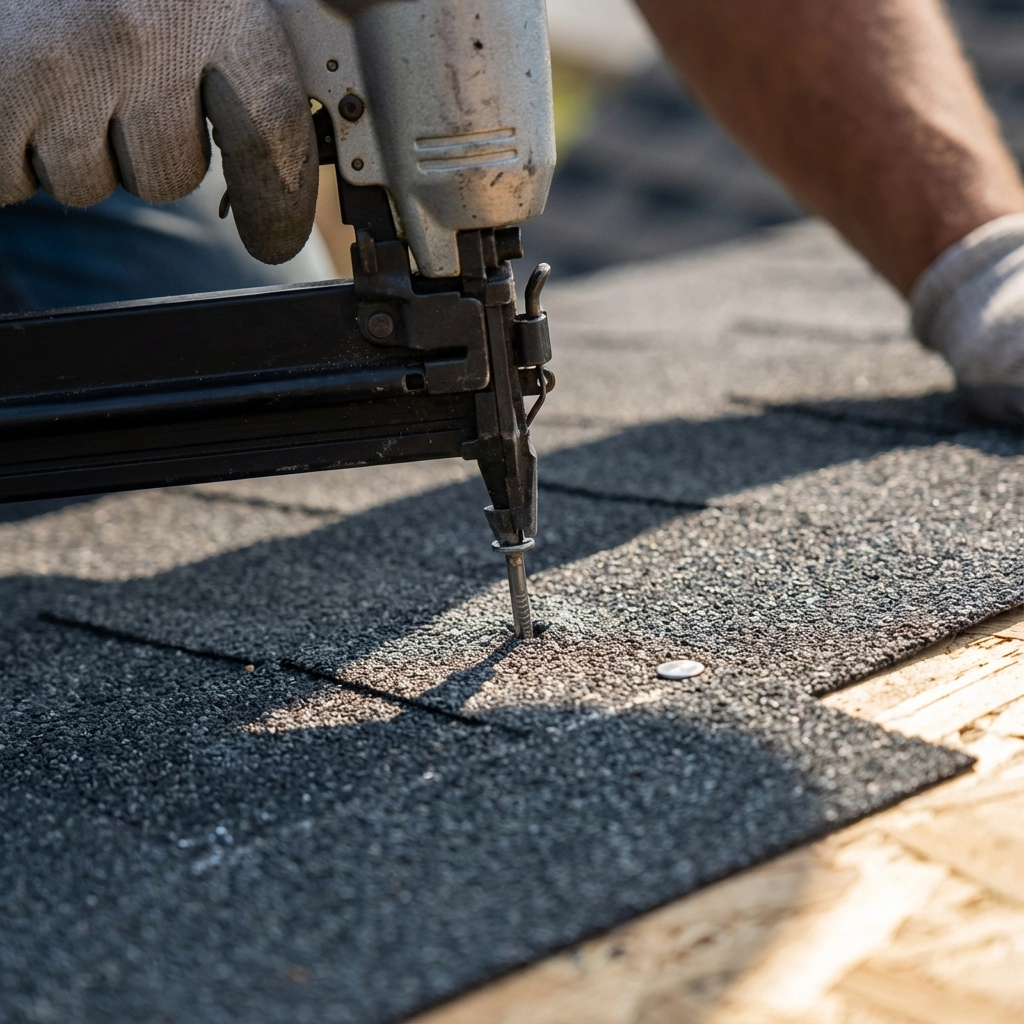
Mistake #1: Improper Nail Placement and Fastener Spacing
This might sound technical, but it's actually the most common reason roofs fail during hurricanes. Most contractors use four nails per shingle, but here's the problem: four nails simply aren't enough to handle Florida's hurricane-force winds.
Even worse, many roofers using nail guns drive nails too deep through the shingles, which significantly reduces wind resistance. When hurricane winds hit, these improperly fastened shingles become projectiles.
How to Fix It:
- Insist on six nails per shingle instead of the standard four
- Use 8d ring-shank nails (minimum 0.113-inch diameter and 2⅜ inches long)
- Ensure nails penetrate at least ¾ inch into the roof sheathing
- For metal roofs, use 4-inch fastener spacing at edges, corners, and ridges instead of 6-inch spacing
Before hiring any contractor, ask them about their nailing pattern and get it in writing. A reputable roofer should be able to explain exactly how they'll secure your shingles for hurricane protection.
Mistake #2: Unreinforced Gable Ends and Excessive Overhangs
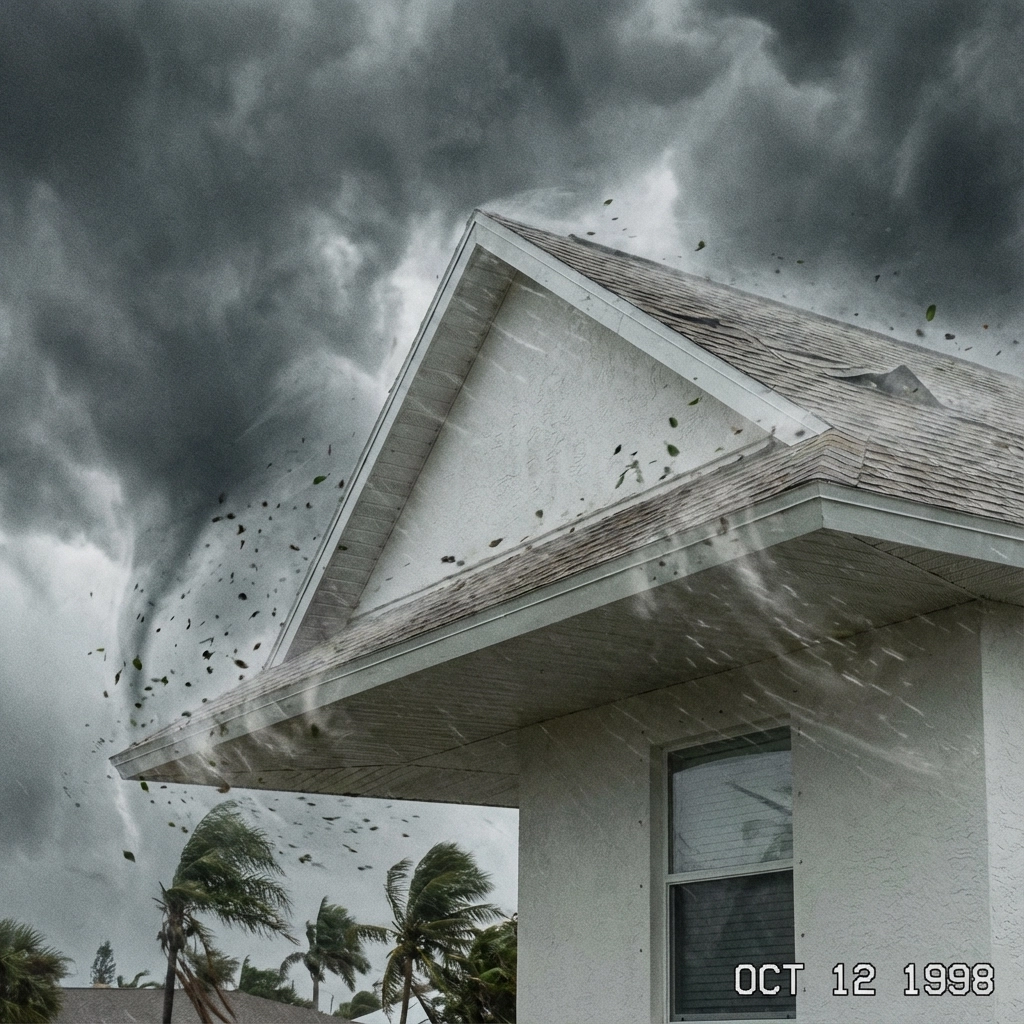
Your gable ends: those triangular sections where your roof meets the walls: are your roof's Achilles heel. When gable walls are taller than 5 feet and not properly reinforced, they're at serious risk of collapse during high winds.
Similarly, roof overhangs longer than 20 inches create a major vulnerability. Hurricane winds accelerate around these projections, creating powerful uplift forces that can literally peel your roof off.
How to Fix It:
- Ensure proper reinforcement between gable walls and the main wall structure
- Limit overhangs to 20 inches maximum
- Add additional bracing for any existing longer overhangs
- Consider gable end bracing systems for tall gable walls
This isn't a DIY project: you'll need a structural engineer to properly assess and reinforce these areas.
Mistake #3: Improperly Fastened Roof Sheathing
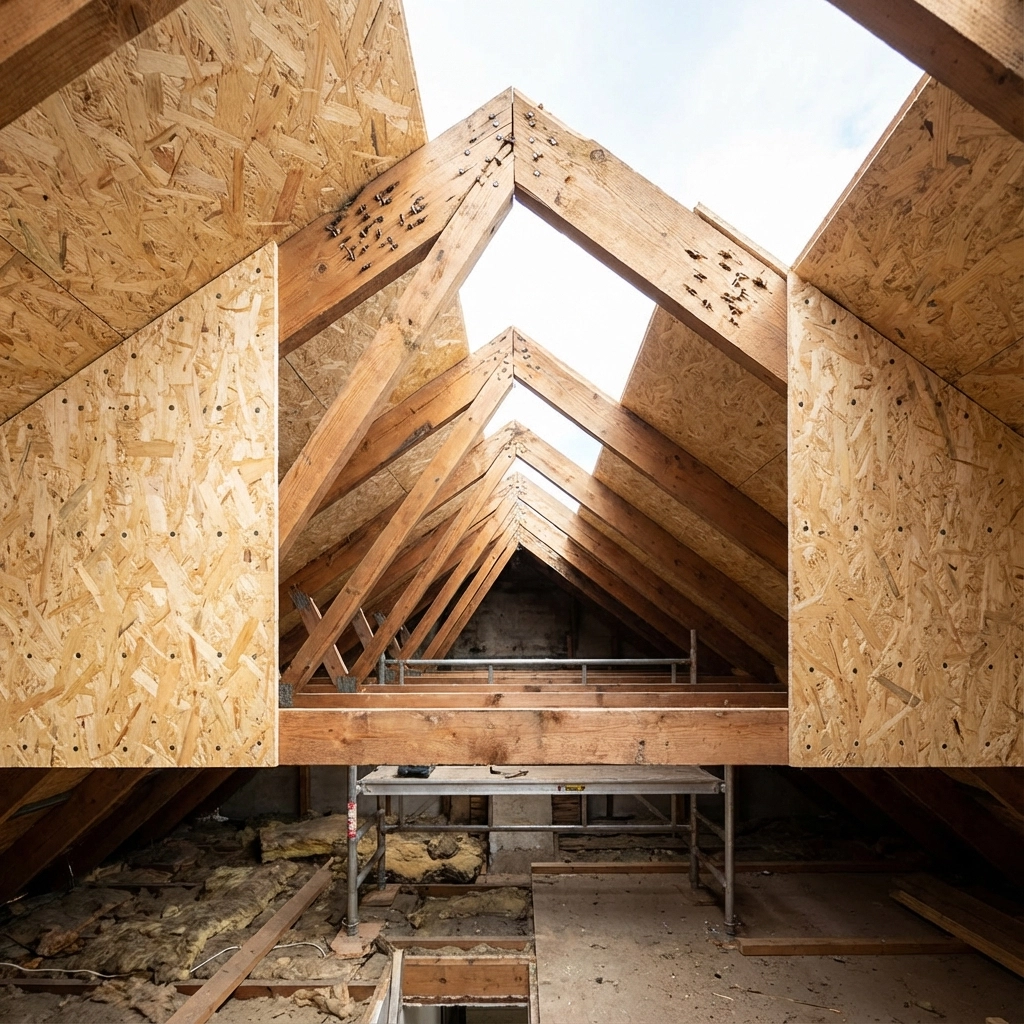
Here's something most homeowners don't even think about: the plywood or OSB boards underneath your shingles. Many Florida homes, especially older ones, have roof sheathing attached with undersized 6d nails or even staples (which are now banned by code).
When your roof sheathing fails, you're not just looking at roof damage: you're facing interior water damage that costs roughly ten times more to repair than exterior damage.
How to Fix It:
- Verify that sheathing fasteners meet current code requirements
- Ensure closer fastener spacing at eaves, corners, ridges, and gable ends
- Re-nail any areas where spacing exceeds 12 inches
- Use at least two nails wherever sheathing crosses a rafter or truss
During your next roof inspection, ask specifically about sheathing attachment. Many contractors skip this check, but it's crucial for hurricane protection.
Mistake #4: Using Inadequate Roofing Materials
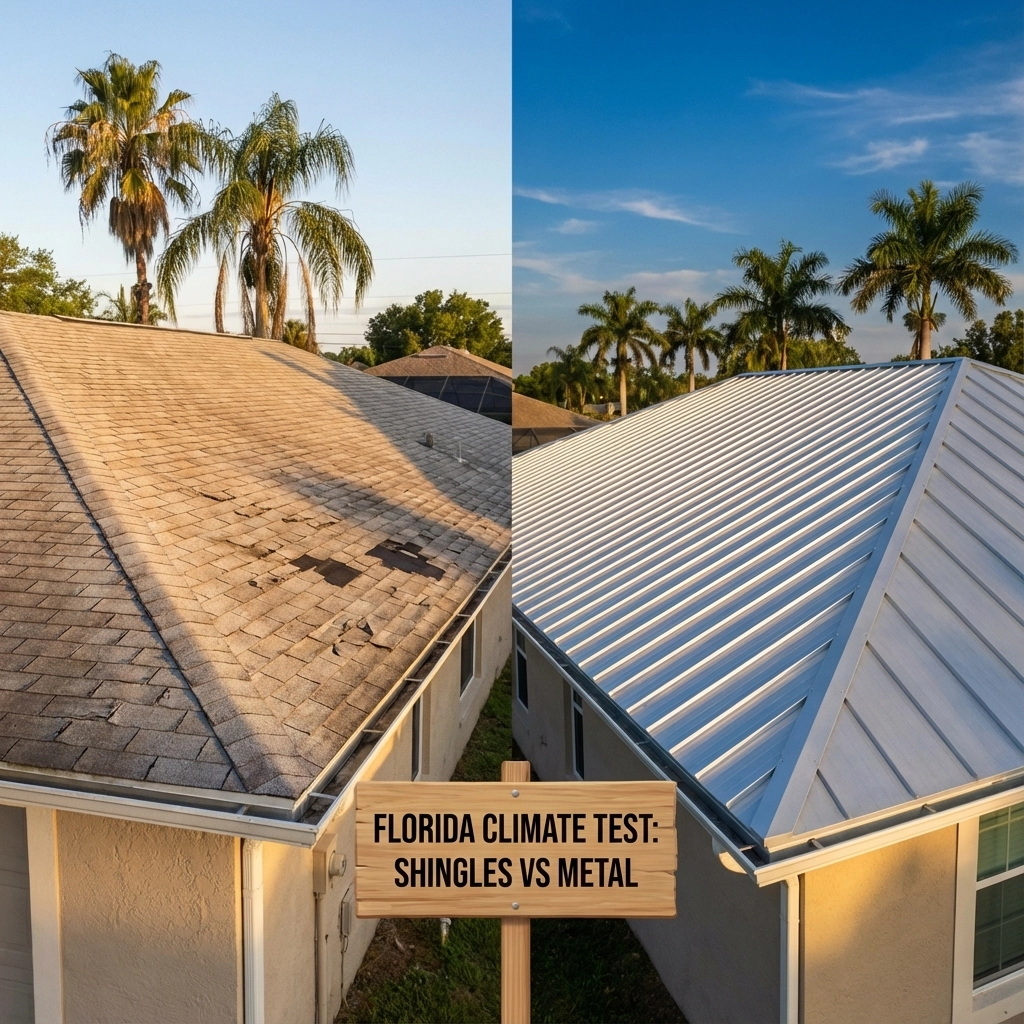
Not all roofing materials are created equal, especially in Florida's extreme weather conditions. Standard asphalt shingles that might work fine in other states simply can't handle our combination of intense heat, UV exposure, and hurricane-force winds.
Many homeowners choose materials based on initial cost without considering their wind resistance ratings. Even shingles rated for 130 mph winds often fail at 110-115 mph due to installation issues or material degradation from Florida's harsh sun.
How to Fix It:
- Upgrade to metal or tile roofing for superior storm resistance
- Ensure any shingles meet your specific county's wind resistance requirements
- Look for materials with both wind uplift resistance and impact resistance ratings
- Consider the long-term value, including potential insurance discounts
Metal and tile roofs might cost more upfront, but they often pay for themselves through energy savings and insurance premium reductions. Plus, they'll likely outlast several asphalt shingle replacements.
Mistake #5: Weak Ridge Vents and Flashing Failures
Your ridge vents: the ventilation strips running along your roof's peak: can become your roof's weakest link during a hurricane. Standard ridge vents often aren't designed to handle extreme wind loads and can tear off completely, leaving a gaping hole in your roof.
Similarly, poorly installed flashing around chimneys, skylights, and other roof penetrations creates entry points for wind-driven rain. Once water gets in, it can cause catastrophic damage in minutes.
How to Fix It:
- Install hurricane-rated ridge vents with proper mechanical fastening
- Add adhesive backing to ridge vents for extra security
- Ensure all flashing is properly sealed and mechanically fastened
- Use both mechanical fasteners and adhesive at hip and ridge tiles
- Verify that soffit vents are properly secured to prevent wind pressurization
Don't overlook these "small" details: they often determine whether your roof survives the storm intact.
Mistake #6: Delaying Inspections and Maintenance
This might be the costliest mistake of all. Many Florida homeowners wait until they see a hurricane on the weather map to start thinking about roof maintenance. By then, it's too late: reputable contractors are booked solid, and emergency repairs cost three times normal rates.
Worse yet, insurance companies often deny claims for roofs showing signs of neglect or age-related wear. Regular maintenance isn't just about preventing problems: it's about protecting your insurance coverage.
How to Fix It:
- Schedule annual roof inspections before hurricane season (ideally in early spring)
- Address minor issues immediately before they become major problems
- Document all maintenance and repairs for insurance purposes
- Create a relationship with a trusted local roofing contractor
- Keep detailed records of when your roof was installed and any subsequent work
Think of roof maintenance like car maintenance: a little prevention goes a long way toward avoiding expensive breakdowns.
Mistake #7: Poor Gutter and Drainage Systems
Your gutters might seem like a minor detail, but they play a crucial role in protecting your roof during storms. Clogged or damaged gutters cause water to back up under your shingles and along fascia boards, creating entry points for wind-driven rain.
Poor attic ventilation compounds this problem by trapping moisture, which can weaken your roof structure over time and create the perfect conditions for mold growth after a storm.
How to Fix It:
- Clean and repair gutters before each hurricane season
- Install proper gutter guards to prevent clogging
- Ensure adequate attic ventilation to prevent moisture buildup
- Grade landscaping to direct water away from your foundation
- Consider upgrading to larger gutters if your current system can't handle heavy rainfall
Remember, even small amounts of water intrusion can cause thousands of dollars in damage once it gets inside your home.
The Bottom Line: Installation Matters More Than Materials
Here's the most important thing to understand: the best materials in the world won't protect your home if they're not installed correctly. We've seen premium hurricane-rated shingles fail catastrophically due to poor installation, while properly installed standard materials weathered the same storm just fine.
When choosing a contractor, don't just focus on price or materials. Look for:
- Local contractors with proven hurricane experience
- Proper licensing and insurance
- References from recent hurricane-tested installations
- Detailed written proposals explaining their hurricane-resistant installation methods
Your roof is your home's first line of defense against hurricanes. These seven mistakes might seem overwhelming, but remember: each one you fix significantly improves your chances of riding out the next storm with minimal damage.
Don't wait for the next hurricane warning to start planning. The time to hurricane-proof your roof is now, while you have options and contractors aren't overwhelmed with emergency calls.
If you're concerned about any of these issues with your current roof, contact our team for a comprehensive hurricane-readiness assessment. We've helped thousands of Florida homeowners protect their homes, and we're here to help you too.


