Living in Florida means dealing with some pretty intense weather. We're talking scorching UV rays, humidity that makes you feel like you're swimming through the air, and oh yeah, hurricane season. Your roof takes the brunt of all that, so picking the right material isn't just about curb appeal. It's about protecting your home and your wallet for years to come.
If you've been scratching your head trying to figure out whether to go with asphalt shingles, metal roofing, or tile, you're in the right place. Let's break down each option so you can make a smart decision that actually makes sense for Florida living.
What Florida Weather Does to Your Roof
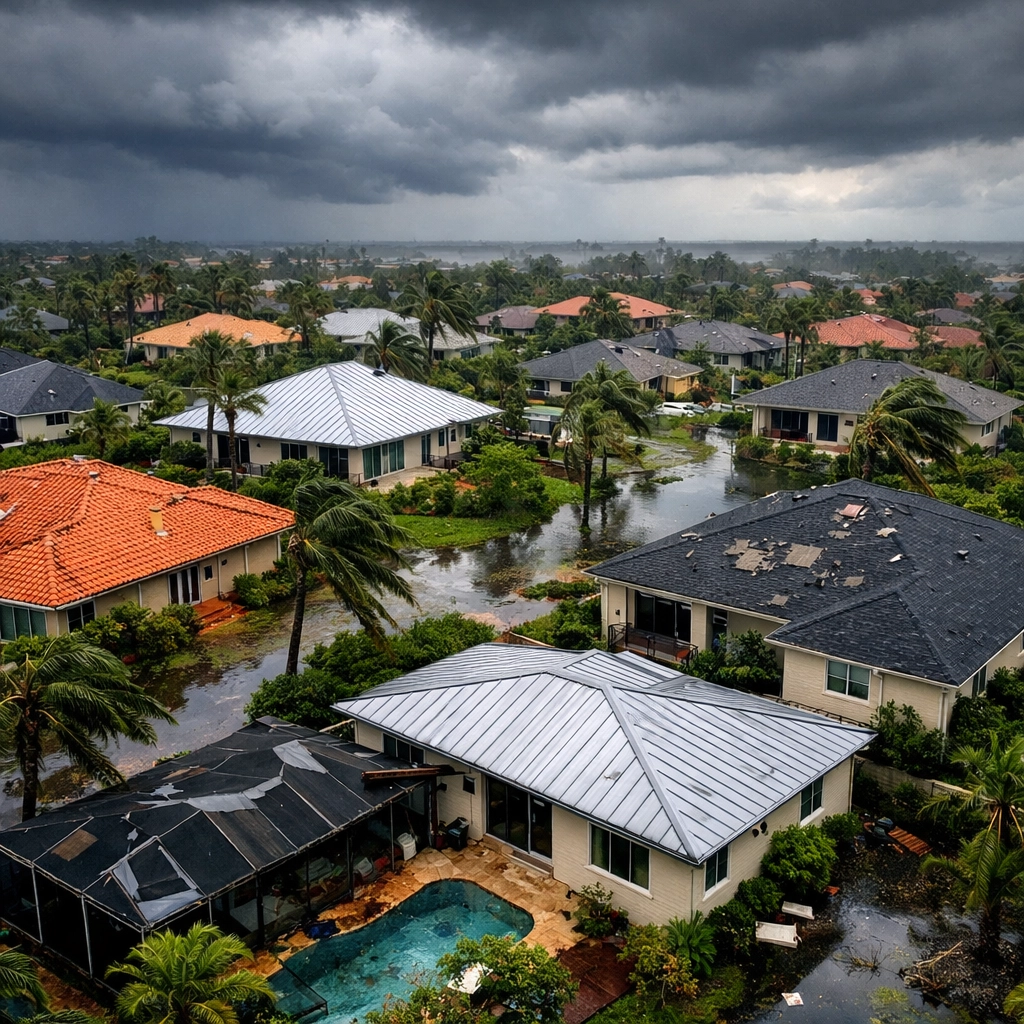
Before we dive into materials, let's talk about what your roof is up against here in the Sunshine State.
Intense UV Exposure: Florida gets an average of 230+ sunny days per year. That constant UV bombardment breaks down roofing materials faster than in cooler climates. Colors fade, materials become brittle, and before you know it, you're dealing with cracks and deterioration.
High Humidity: All that moisture in the air creates the perfect environment for mold, mildew, and algae growth. Your roof needs to be able to handle constant exposure to humid conditions without falling apart.
Hurricane-Force Winds: This is the big one. Florida building codes are strict for a reason, we need roofs that can handle winds of 140+ mph in many areas. In high-velocity hurricane zones like Miami-Dade, the requirements are even tougher.
Heat: Your roof absorbs a ton of heat during those long summer months, which affects both its lifespan and your cooling bills.
Now let's see how each roofing material stacks up against these challenges.
Asphalt Shingles: The Budget-Friendly Classic
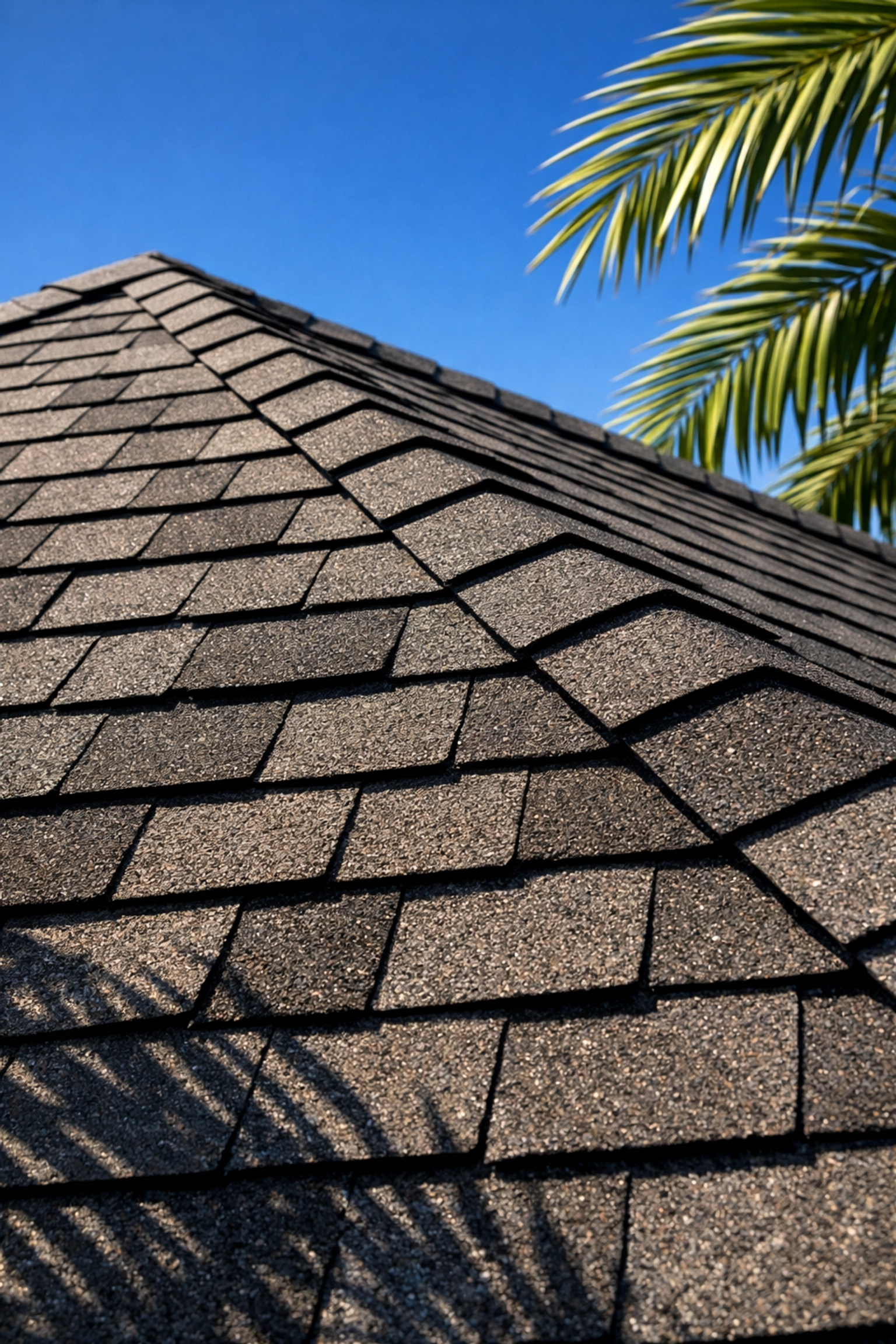
Asphalt shingles are by far the most popular roofing material in America, and there's a good reason for that: they're affordable and widely available. But how do they hold up in Florida?
Durability
Here's the honest truth: asphalt shingles have a shorter lifespan compared to other options, typically lasting 15–30 years. In Florida's harsh conditions, you're probably looking at the lower end of that range. The intense UV exposure and heat cause the shingles to dry out and become brittle faster than they would up north.
That said, if you go with high-quality, wind-rated shingles specifically designed for Florida conditions, you can get decent performance. Look for shingles with a solid wind rating and impact resistance.
Cost
This is where asphalt shingles really shine. They're the most budget-friendly option upfront, making them attractive for homeowners who need a new roof but don't want to break the bank. Installation is also faster and less expensive since most roofing crews are very familiar with the process.
Energy Efficiency
Standard asphalt shingles absorb a lot of heat, which can drive up your cooling costs. However, you can opt for "cool roof" shingles with reflective granules that help bounce some of that heat away. It's not as effective as metal, but it's better than traditional dark shingles.
The Verdict on Asphalt
Asphalt shingles work fine for Florida homes, especially if you're on a tighter budget. Just know that you'll likely need to replace them sooner than other materials, and you should invest in quality wind-rated products. Check out our shingle roofing systems for more details on what we offer.
Metal Roofing: The Hurricane Champion
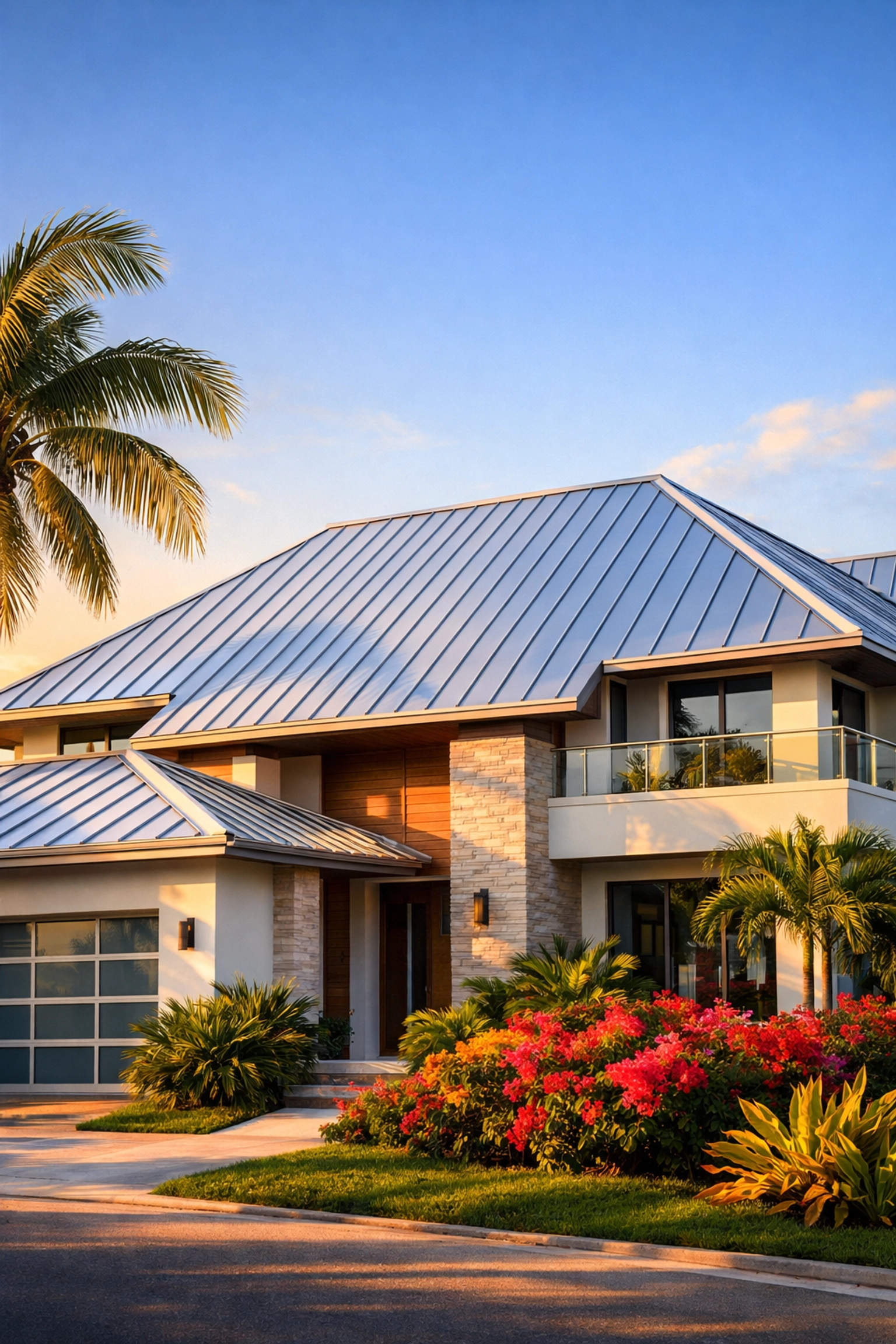
If you ask most roofing professionals what they'd recommend for Florida, metal roofing comes up a lot. And for good reason: it's basically built for our climate.
Durability
Metal roofs are absolute tanks. We're talking 40–70 years of lifespan with proper maintenance. Standing seam metal roofs can withstand winds up to 165–211 mph, which is exactly what you want when a Category 4 hurricane is barreling toward your neighborhood.
The key is going with standing seam panels that have hidden fasteners. Exposed fastener metal roofs (the kind you see on barns and sheds) don't perform as well in extreme wind because those fasteners can become weak points over time.
For coastal areas, look for rust-resistant finishes like Galvalume or aluminum. These handle salt air without corroding, which is crucial if you live near the beach.
Cost
Here's the catch: metal roofing costs more upfront. You're looking at roughly $10–$14 per square foot installed for standing seam metal. However, when you factor in that 40–70 year lifespan versus 15–30 years for asphalt, the math often works out in metal's favor over time.
Think of it this way: you might pay for one metal roof in your lifetime versus two or three asphalt roofs.
Energy Efficiency
This is where metal really shines (pun intended). Metal roofs reflect sunlight instead of absorbing it, which can significantly reduce your cooling costs during those brutal Florida summers. Some studies show energy savings of 10–25% on cooling. When you're running your AC eight months out of the year, that adds up fast.
The Verdict on Metal
Metal roofing is an excellent choice for Florida homes, especially in hurricane-prone and coastal areas. The higher upfront cost pays off through longevity, storm resistance, and energy savings. If you can swing the initial investment, it's hard to beat.
Tile Roofing: The Long-Lasting Luxury Option
Tile roofs give Florida homes that classic Mediterranean or Spanish look, and they're not just pretty: they're seriously durable. You'll find both clay and concrete tile options, each with their own pros and cons.
Durability
Tile roofs are built to last. Concrete tiles typically go 40–50 years, while clay tiles can last an impressive 50–100 years with proper care. Both handle Florida's humidity and salt air like champs, and they won't rot, warp, or get eaten by insects.
Wind resistance varies depending on installation method, but properly installed tile roofs can handle 130–150+ mph winds. The tiles themselves are heavy, which helps them stay put during storms: but that weight is also something to consider (more on that in a second).
Cost
Tile is the premium option, and the price reflects that. You're looking at $12–$18 per square foot for concrete tile and $14–$22 per square foot for clay tile. Installation takes longer and requires specialized expertise.
There's also a structural consideration. Tile roofs are heavy: really heavy. Some older Florida homes weren't built to support that kind of weight, so you might need structural reinforcement before installation. That adds to the overall cost.
Energy Efficiency
Tile roofs provide excellent insulation thanks to their thermal mass. The natural air gap between the tiles and the roof deck also helps with ventilation. Concrete tiles in particular do a great job of keeping heat out of your attic, which means your AC doesn't have to work as hard.
The Verdict on Tile
Tile roofing is perfect for homeowners who want longevity and that classic Florida aesthetic. It's a significant investment upfront, but a tile roof could literally outlast you. Just make sure your home's structure can handle the weight.
Quick Comparison Chart
| Feature | Asphalt Shingles | Metal Roofing | Tile Roofing |
|---|---|---|---|
| Lifespan | 15–30 years | 40–70 years | 40–100 years |
| Wind Resistance | Moderate (varies) | 165–211 mph | 130–150+ mph |
| Cost | $ | $$ | $$$ |
| Energy Efficiency | Fair | Excellent | Very Good |
| Weight | Light | Light | Heavy |
| Maintenance | Moderate | Low | Low |
So Which One Should You Choose?
Here's a simple framework to help you decide:
Go with asphalt shingles if: You're on a budget and need a roof now. Just invest in quality, wind-rated products and plan for replacement in 15–25 years.
Go with metal roofing if: You want maximum hurricane protection, live in a coastal area, or prioritize long-term value and energy efficiency.
Go with tile roofing if: You want that classic look, plan to stay in your home for decades, and your structure can support the weight.
No matter which material you choose, make sure it meets Florida building codes for your specific area. The requirements can vary significantly, especially in high-velocity hurricane zones.
Ready to Talk Roofing?
Choosing the right roof for your Florida home is a big decision, and there's no one-size-fits-all answer. The best choice depends on your budget, your home's structure, your location, and how long you plan to stay.
If you'd like some expert guidance, we're happy to help. Schedule a free evaluation and we'll assess your home's specific needs and walk you through your options. No pressure, just straight talk about what makes sense for your situation.


