Complimentary Home Energy Evaluation
Save money on energy costs with a complimentary evaluation of your home’s energy efficiency.
Learn MoreHeating, Ventilation, and Air Conditioning
Increase the value of your home with an attractive, efficient, and eco-friendly upgrade.
Learn MoreRoofing Installation & Coating Services
Reduce your energy costs with solar panel roofing installation and coating services.
Learn MoreBlown-In Insulation
Efficient Comfort for Your Home
What is Blown-In Insulation?
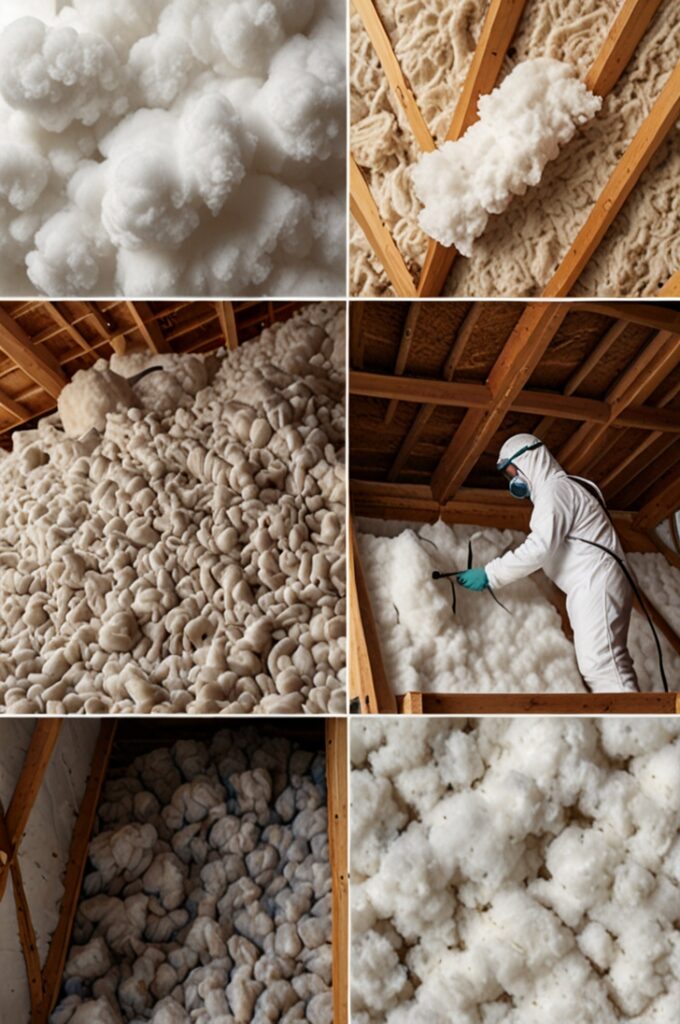
Blown-in insulation is a type of loose-fill insulation that is installed by blowing or spraying the material into attics, walls, and other hard-to-reach areas using specialized equipment. It’s especially effective for improving energy efficiency in older homes and attics with irregular shapes.
Types of Blown-In Insulation
- Cellulose : Made from recycled paper treated with fire retardant. Eco-friendly and provides excellent air sealing properties.
- Fiberglass:Made from spun glass fibers. It resists moisture and pests and is non-combustible.
- Mineral Wool (optional):Made from spun glass fibers. It resists moisture and pests and is non-combustible.
Key Benefits
Where Can It Be Installed?
Attics: Ideal for both vented and unvented attics.