
Here's a question most homeowners never think to ask: What's happening in your attic right now?
If you're like most people, your attic is out of sight and out of mind. But here's the thing, what's going on up there directly impacts how long your roof lasts. And if your attic ventilation isn't up to par, your shingles could be aging twice as fast as they should.
Whether you're dealing with brutal Florida heat or harsh Illinois winters, proper attic ventilation is one of the most overlooked factors in roof longevity. Let's break down why it matters and what you can do about it.
What Exactly Is Attic Ventilation?
Before we dive into the problems, let's get on the same page about what we're talking about.
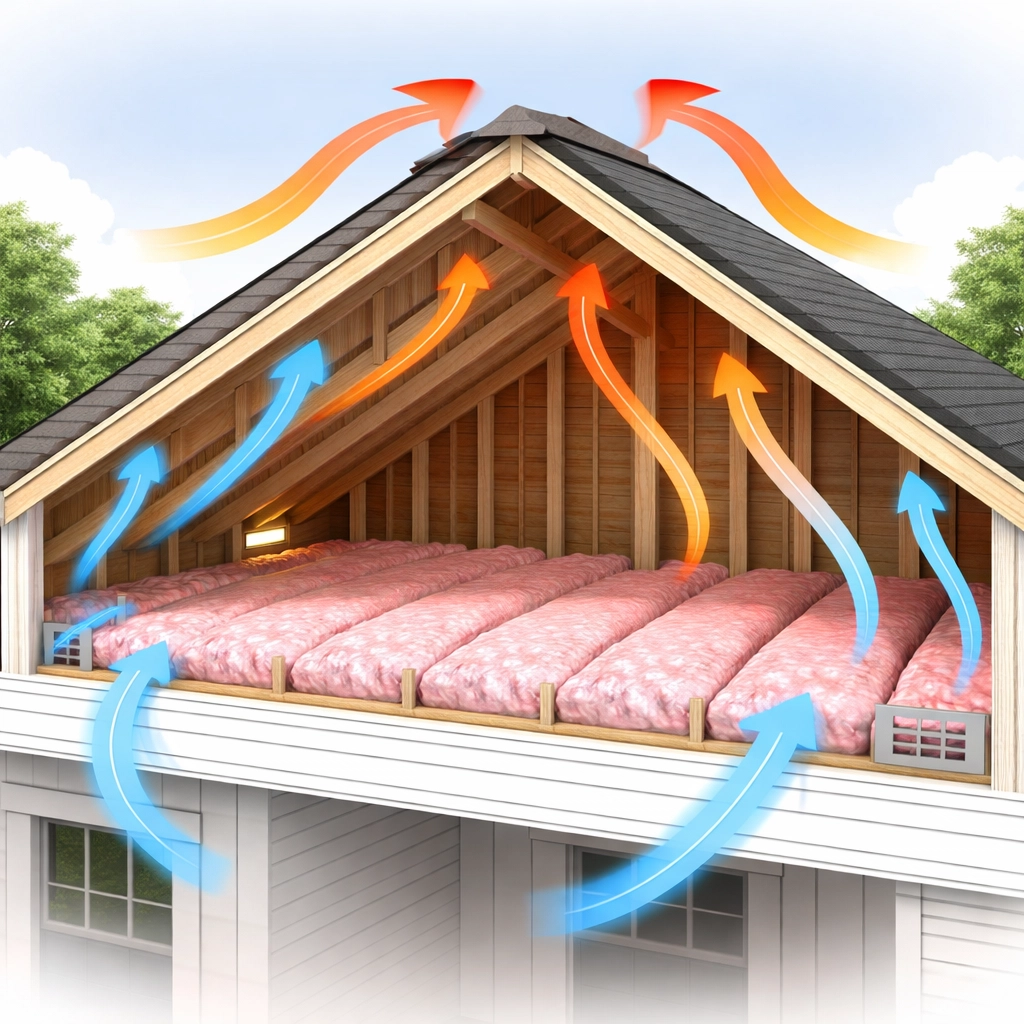
Attic ventilation is a system that allows air to flow in and out of your attic space. A properly designed system brings cool, fresh air in through intake vents (usually located along the soffits or eaves) and pushes hot, stale air out through exhaust vents (typically ridge vents, gable vents, or powered fans near the roof's peak).
Think of it like your attic breathing. When it can't breathe properly, bad things happen.
The Hidden Damage: How a Hot Attic Destroys Your Shingles
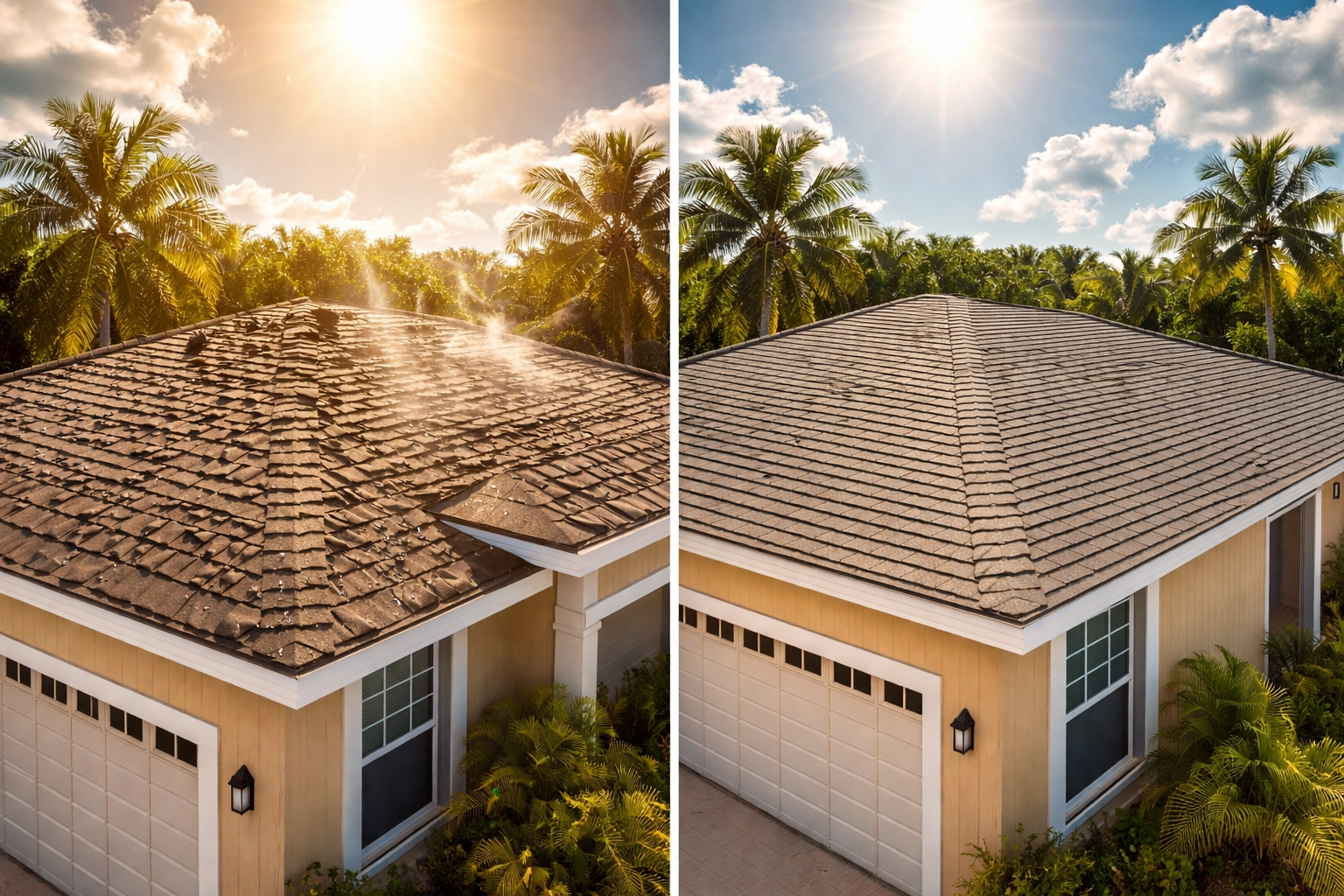
Picture this: It's a typical summer afternoon. Outside, it's 90 degrees. Inside your poorly ventilated attic? It can easily hit 150 degrees or higher. That's not an exaggeration, it's basically an oven up there.
Now think about what's sitting directly above that superheated space: your roof. Your shingles are getting cooked from both sides, the sun beating down from above and that trapped heat radiating up from below.
Here's what happens to your shingles when they're constantly exposed to these extreme temperatures:
- Granule loss – Those tiny granules on your shingles aren't just decorative. They protect against UV rays and weather. Heat makes them fall off faster.
- Curling and warping – The edges of your shingles start to curl up or cup, leaving gaps where water can sneak in.
- Cracking and brittleness – Asphalt shingles contain petroleum-based compounds that literally dry out and become brittle under sustained heat.
- Adhesive strip failure – The sticky strips that hold shingle layers together can melt and fail, making your roof vulnerable to wind damage.
The result? A roof that was supposed to last 30 years might only make it 15. In extreme cases, a 50-year roof can be reduced to a 20-25 year lifespan. That's potentially tens of thousands of dollars in premature replacement costs.
Florida Homeowners: Heat Is Your Biggest Enemy
If you live in Florida, you already know heat is relentless. But you might not realize just how much damage that heat does to your roof when your attic ventilation is inadequate.
In the Sunshine State, attics without proper ventilation can stay superheated for 8-10 hours a day during summer months. That's hundreds of hours each season where your shingles are basically slow-roasting.
At TCI Roofing and Solar, we see the effects of poor ventilation on Florida roofs all the time. Shingles that should still have years of life left are cracked, curled, and shedding granules like crazy. And when we check the attic? Poor airflow almost every time.
The good news is that upgrading your ventilation system is relatively affordable, especially compared to replacing your entire roof years ahead of schedule.
Illinois Homeowners: Ice Dams Are the Winter Nightmare
Now let's talk about the other end of the spectrum. If you're in Illinois, you might think ventilation is only a summer concern. Wrong.
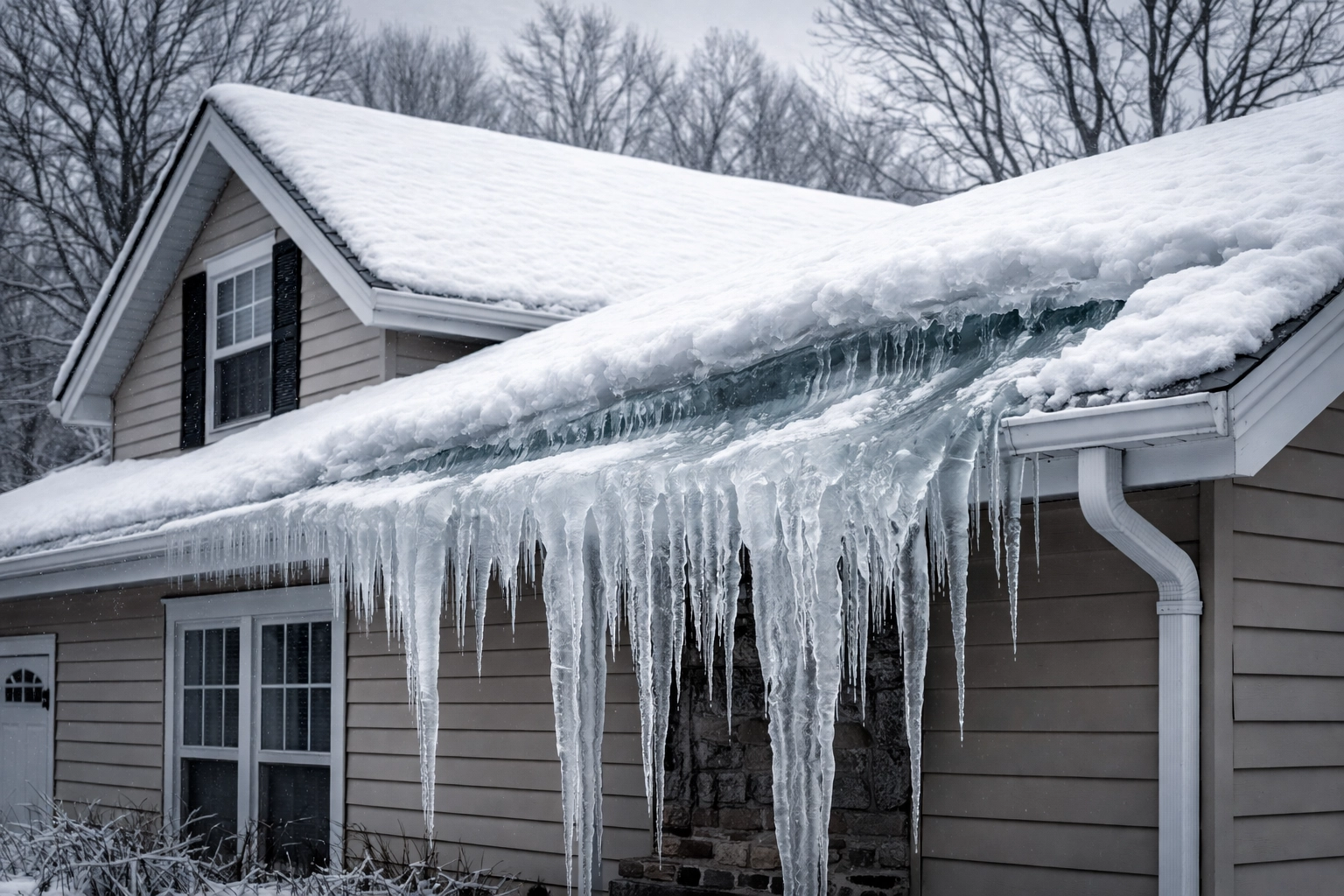
In cold climates, poor attic ventilation causes a different but equally destructive problem: ice dams.
Here's how it works:
- Heat escapes into your poorly ventilated attic
- That heat warms the roof deck and melts snow on your roof
- The melted water runs down toward the eaves (the edge of your roof)
- At the eaves, there's no heat from the attic below, so the water refreezes
- Ice builds up, creating a "dam" that traps more water behind it
- That trapped water backs up under your shingles and leaks into your home
Ice dams can cause serious damage, ruined insulation, water-stained ceilings, mold growth, and structural rot. And it all starts with an attic that's too warm in winter because it can't ventilate properly.
Proper ventilation keeps your attic temperature closer to the outside air temperature. When it's cold outside and cold in your attic, snow melts evenly (or not at all), and ice dams don't form.
The Energy Bill Connection
Here's a bonus reason to care about attic ventilation: your wallet.
When your attic is superheated in summer, that heat doesn't just stay up there. It radiates down into your living space, making your air conditioning work overtime. We're talking potentially 10-15% higher cooling costs just because your attic can't breathe.
In winter, the equation flips. A properly ventilated attic actually helps your insulation do its job better by preventing moisture buildup that can reduce insulation effectiveness.
So yes, fixing your attic ventilation can literally pay you back every single month on your energy bills.
Warning Signs Your Attic Ventilation Needs Help
Not sure if your attic ventilation is up to par? Here are some red flags to watch for:
Inside your attic:
- It feels significantly hotter than outside on summer days
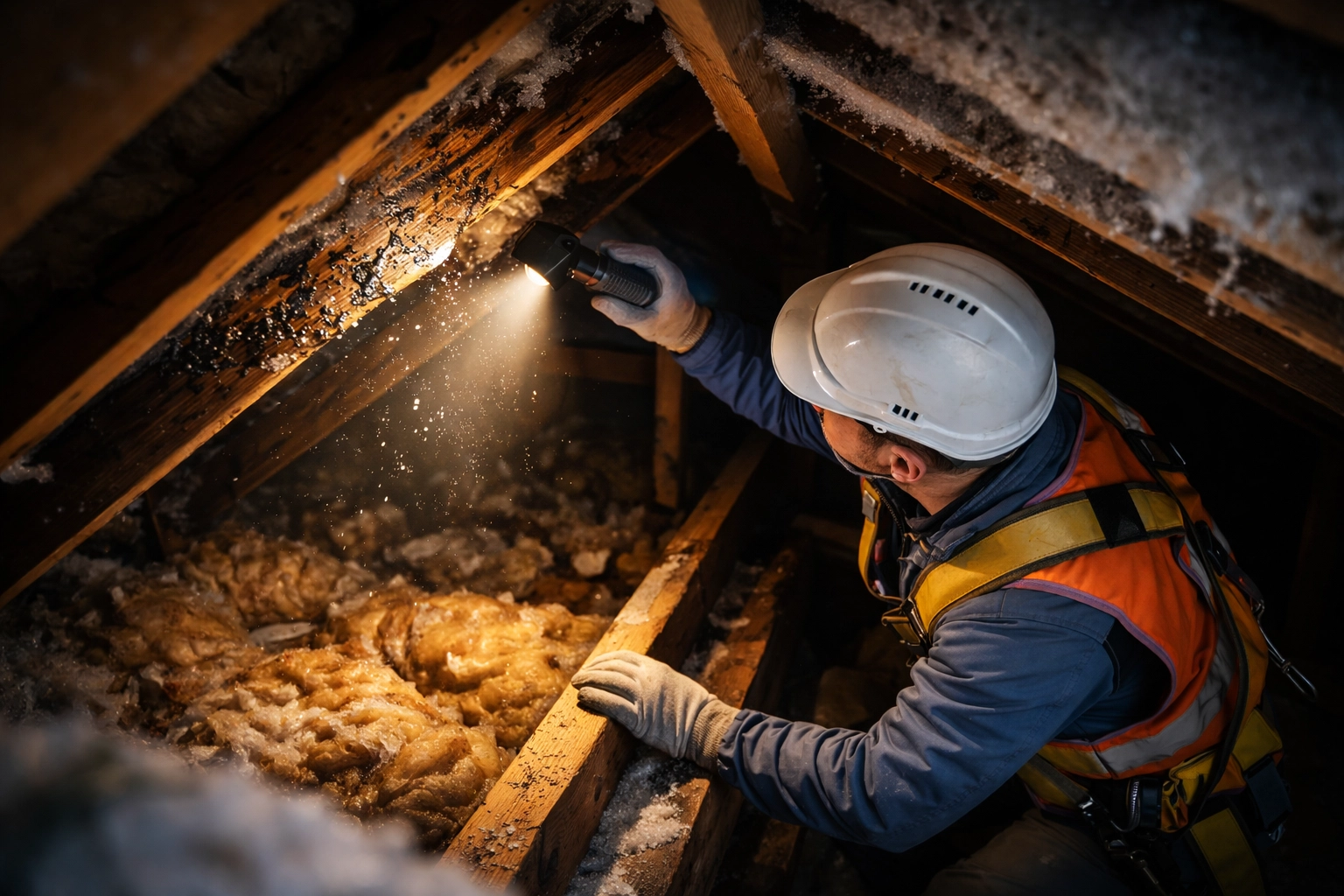
- You see moisture, condensation, or frost on the underside of the roof deck
- Insulation looks damp, matted, or has dark stains
- You smell musty or moldy odors
- The wood framing looks warped, stained, or shows signs of rot
On your roof:
- Shingles are curling, cracking, or losing granules prematurely
- You notice dark streaks or staining
- Ice dams form along your eaves in winter (Illinois folks, pay attention)
- Your roof looks "wavy" or uneven
On your energy bills:
- Cooling costs seem unusually high in summer
- Your HVAC system runs constantly but can't keep up
If you're noticing any of these signs, it's worth having a professional take a look. Catching ventilation problems early can save you from a much more expensive roof replacement down the road.
How Much Does Proper Ventilation Cost?
Here's the really good news: fixing attic ventilation is one of the most cost-effective roof investments you can make.
During a roof replacement, adding or upgrading ventilation typically costs between $800-1,500. That's a tiny fraction of your total roof investment, but it can literally double the lifespan of your shingles.
Even as a standalone project, ventilation improvements are usually affordable: and the return on investment over time can be 500-800% when you factor in energy savings and extended roof life.
Compare that to replacing your roof 10-15 years early because of heat damage. The math isn't even close.
Don't Void Your Warranty
Here's something a lot of homeowners don't realize: most roofing manufacturers require proper ventilation as a condition of their warranty.
That means if your shingles fail prematurely and the manufacturer finds evidence of inadequate ventilation during their inspection, they can deny your warranty claim. You'll be stuck paying for a new roof out of pocket: even if you thought you were covered.
At TCI Roofing and Solar, we always check ventilation when we install a new roof. It's not just about doing the job right: it's about protecting your investment and making sure your warranty actually means something.
If you're curious about what goes into a proper roof installation (including ventilation requirements), check out our guide on how to properly install a shingled roof.
The Bottom Line
Your attic might be the last thing on your mind, but it has a huge impact on your roof's lifespan. Whether you're fighting Florida's relentless heat or Illinois's brutal winters, proper ventilation is the secret weapon that keeps your shingles healthy for decades.
If you're not sure about your current ventilation setup: or if you're seeing any of the warning signs we talked about: don't wait until you need a full roof replacement to find out. A quick inspection now could save you thousands down the road.
Ready to find out if your attic is baking your roof? The team at TCI Roofing and Solar serves homeowners in both Florida and Illinois, and we know exactly what each climate demands. Reach out today for a ventilation assessment( your shingles will thank you.)


